
What Makes Martinique Single Origin Chocolate Bars So Distinct
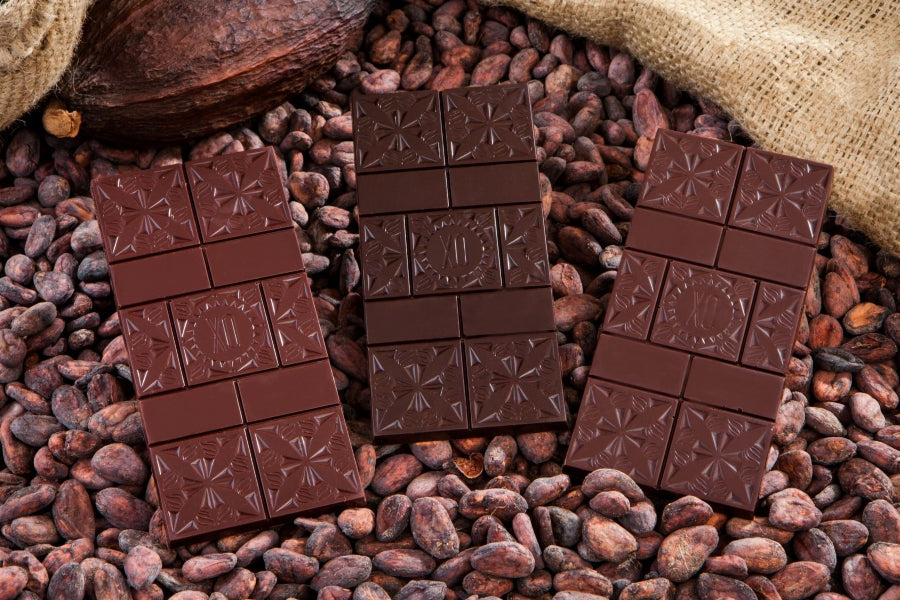
When chocolate tells the story of one small island
Great chocolate rarely begins in a factory. It begins in quiet cacao fields, warm air, and soil that shapes every bean. That simple truth changes how chocolate should be enjoyed. Flavor is not only about sugar or cocoa percentage. It is about place. When cacao grows in a single region, its flavor becomes easier to recognize and appreciate.
That idea comes to life through Martinique single-origin chocolate bars. These bars capture the character of cacao grown on a Caribbean island known for rich soil and steady tropical weather. Instead of mixing beans from many places, the chocolate preserves the identity of a single source. The result feels deeper, smoother, and far more interesting on the palate.
In this guide, the focus stays simple and practical. Readers will discover why origin chocolate matters, what makes Martinique cacao unique, and how small tasting habits reveal hidden flavor layers. By the end, chocolate will feel less like a quick snack and more like a story told through aroma, texture, and taste.
What makes single-origin chocolate different from blended bars
Single-origin chocolate comes from cacao grown in a single region. This could be one island, valley, or farm area. Blended chocolate mixes beans from several regions together. Large brands often do this to maintain consistent flavor year after year. Yet blending hides the natural taste of each cacao source. With single-origin chocolate, the flavor becomes clearer and easier to notice.
You may taste hints of fruit, roasted cocoa, or light sweetness. These notes come from the soil and climate where the cacao grew. When you slow down and taste carefully, the difference becomes obvious. Chocolate lovers enjoy that honesty in flavor. It feels less processed and more connected to nature.
Key traits of single-origin chocolate include:
• Beans sourced from one region only
• Distinct and recognizable flavor notes
• Greater attention during roasting
• Strong link between farmer and maker
Because of this focus, single-origin chocolate often feels richer and more memorable.
Why Martinique cacao develops rich and complex flavor notes
Martinique sits in the Caribbean, where cacao trees grow well. The island’s climate stays warm and humid most of the year. These conditions help cacao pods develop slowly. Slow growth allows beans to build deeper flavor inside.
Farmers on the island also harvest cacao with care. Pods are picked when fully ripe. After harvest, the beans ferment for several days. Fermentation changes the chemical composition of cacao and develops flavor.
During drying, farmers spread the beans under the sun. This step reduces moisture and improves aroma. When chocolate makers roast these beans later, the flavors become stronger.
Several factors shape Martinique cacao flavor:
• Warm tropical temperatures year-round
• Volcanic soil rich in minerals
• Careful small-scale cacao farming
• Natural fermentation and sun drying
These elements combine to produce chocolate that feels smooth, layered, and slightly fruity.
How to taste chocolate bars and notice subtle flavor layers
Chocolate tasting works best when you slow down. Many people eat chocolate quickly and miss its details. A simple tasting method can reveal much more flavor.
Start by breaking a small square from the bar. Good chocolate often makes a sharp snapping sound. Those snap shows proper tempering during production. Next, hold the chocolate near your nose. The smell often hints at fruit, cocoa, or roasted notes.
Place the chocolate on your tongue and let it melt slowly. Avoid chewing right away. As the chocolate melts, different flavors begin to appear. Some notes arrive early, while others show up later.
Simple tasting steps include:
• Break a piece and listen for a clean snap
• Smell the chocolate before tasting
• Let it melt slowly on the tongue
• Notice how flavors change over time
With practice, these small steps make chocolate tasting more enjoyable.
Why choosing origin chocolate supports better cacao farming
Chocolate choices affect farming communities worldwide. When buyers choose origin chocolate, makers often work directly with farmers. This relationship encourages better cacao growing methods.
Farmers gain value for producing high-quality beans. In return, chocolate makers receive cacao with a clearer flavor character. This balance supports both quality and sustainability.
Better farming practices also protect the future of cacao. Healthy soil and careful harvesting help cacao trees stay productive for many years.
Benefits of supporting origin chocolate include:
• More stable income for cacao farmers
• Higher quality cacao beans
• Improved harvesting and fermentation methods
• Stronger partnerships with chocolate makers
Choosing origin chocolate supports both flavor and responsible farming.
A better way to enjoy chocolate with deeper awareness
Chocolate becomes far more interesting when we understand where it begins. Origin bars show how climate and soil shape flavor. Martinique cacao offers a clear example of this connection. The chocolate carries the identity of the place where the beans grew.
When we slow down and taste carefully, each bar reveals new details. A simple snack becomes a small tasting experience. We encourage readers to explore origin chocolate with curiosity. Pay attention to aroma, texture, and flavor changes. With a little practice, appreciation for chocolate grows quickly. By choosing thoughtful chocolate, we support better farming and enjoy a richer taste.


